Walkie Talkie Problem
AI is very good at getting you to a first version. Ask for a landing page, a prototype, a piece of code, and seconds later there is something on the screen. Often not bad. Sometimes surprisingly good.
Then you try to make it right.
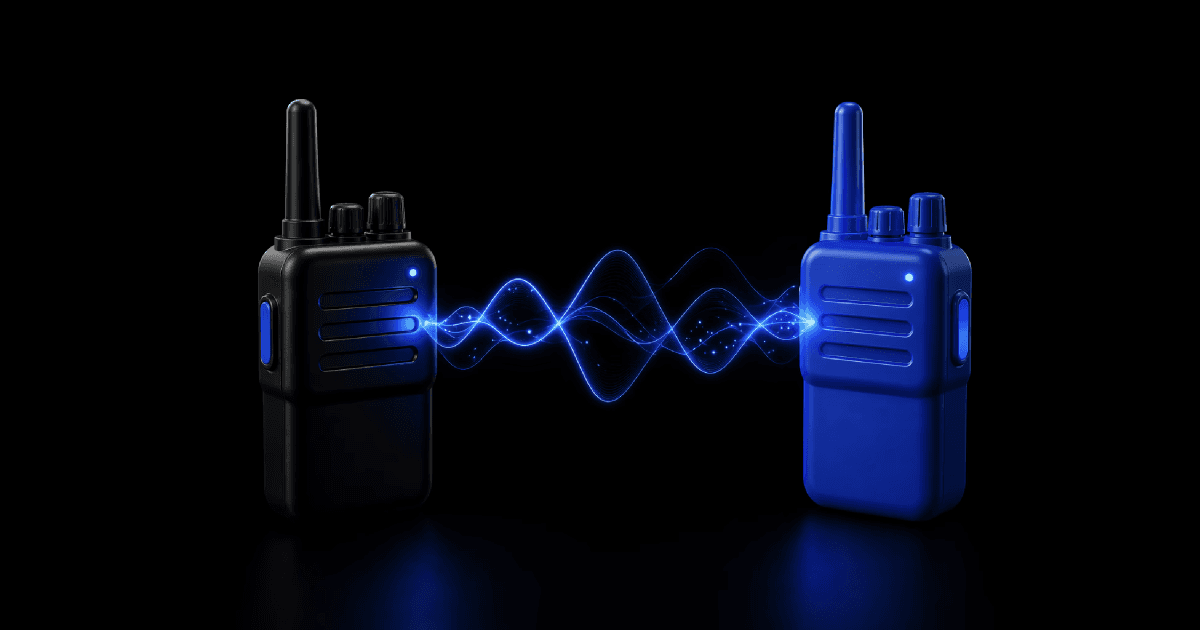
Koen has a good name for this: the walkie talkie problem.
The one-shot gets you to 80% and you are blown away by the speed. Then the refining starts. You ask for small changes. Bump the font by 2px. Remove this one divider. Tighter spacing here, but keep the rest.
It changes the font everywhere. It removes the wrong divider. It fixes one thing and breaks another. So you keep talking. Ever said this?
“Actually, closer to the last version.”
That is the frustrating part. It started so well, and now you are spending more time, more prompts, more tokens on what feels like less progress.
AI might be the smartest hire you ever made, but it often operates like it is day one. You have to give it context again and again: what matters, what not to touch, what “this” refers to, what version was better.
Why the canvas matters
Chat works for some things. Code, mostly. Design is different. Designers do not describe. They point. They compare. They move things around and feel when something starts to work.
You cannot do that in a text box.
The answer is not writing better prompts. It is putting AI on the canvas, where the work actually happens. Select a section and say “make this tighter without touching the rest”. Render four variations inline. Keep this part, change that part. Point at the thing you mean.
That is the shape of design with AI. Not a chat panel that keeps forgetting what you meant. A sparring partner that can see what you are looking at.
The canvas becomes the prompt.